Learning material-response operators from physics.
PDCO trains a response operator using energy or governing equations, avoiding the cost of generating reference fields for training. The examples vary material distributions or initial states to predict stress, wave propagation and phase evolution.
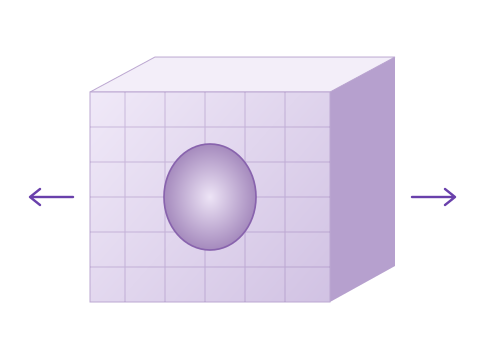 Material distribution and loading · schematic
Physics-driven training and model use
Training: learn directly from physics
Choose energy or governing equations for each task and optimize the model with initial or boundary conditions. Precomputed solution labels are not required; material distributions, geometry and the physical problem still need to be specified.
Use: apply the trained model to related inputs
For a new material distribution or initial field in the same problem family, the operator predicts the response and its evolution.
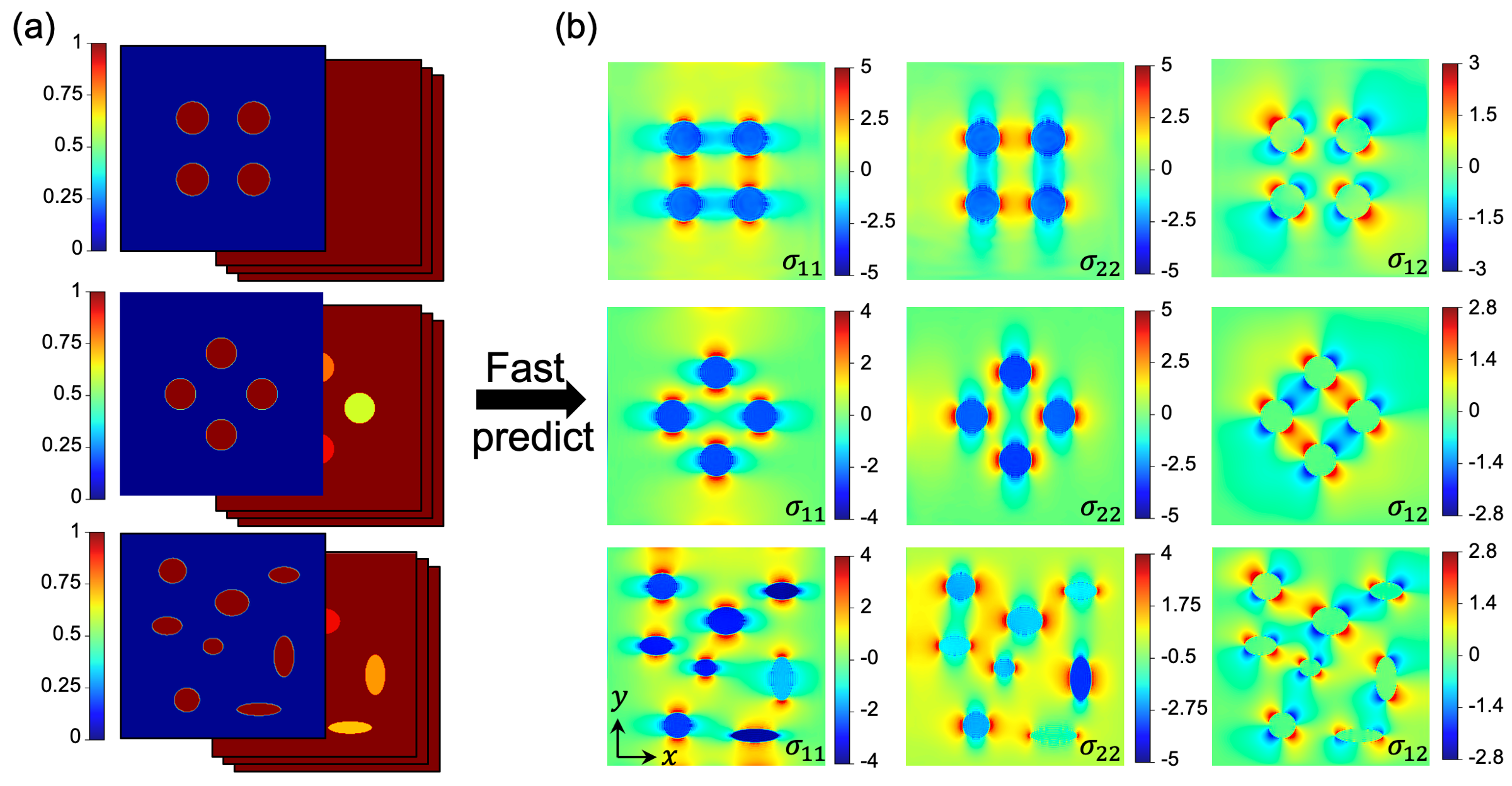
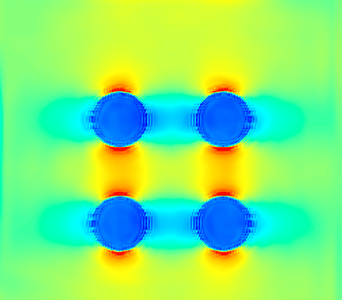
Material distribution and local stress
The shape, position and arrangement of inclusions change load paths in the matrix and the location and severity of stress concentrations.
Disturbance propagation and dynamic response
Vary the initial disturbance under related material and boundary conditions to predict the later displacement field. Early, intermediate and late snapshots show wave propagation, scattering and superposition caused by heterogeneity, rather than only a final response.
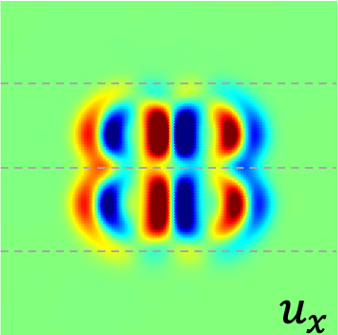 Early propagation
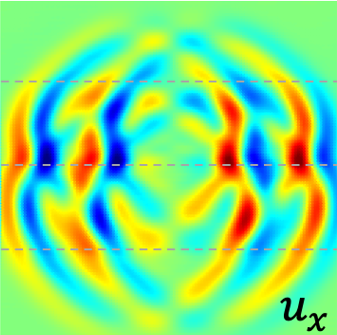 Developing field
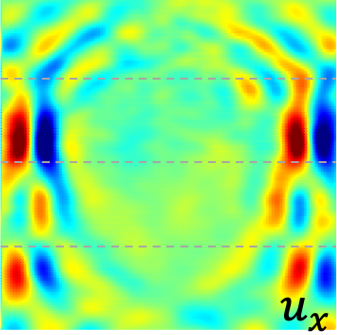 Later response

Color encodes displacement component uₓ; the three panels show propagation at different times.
Initial phase state and microstructure evolution
The operator predicts interface motion and phase changes from the initial phase distribution.
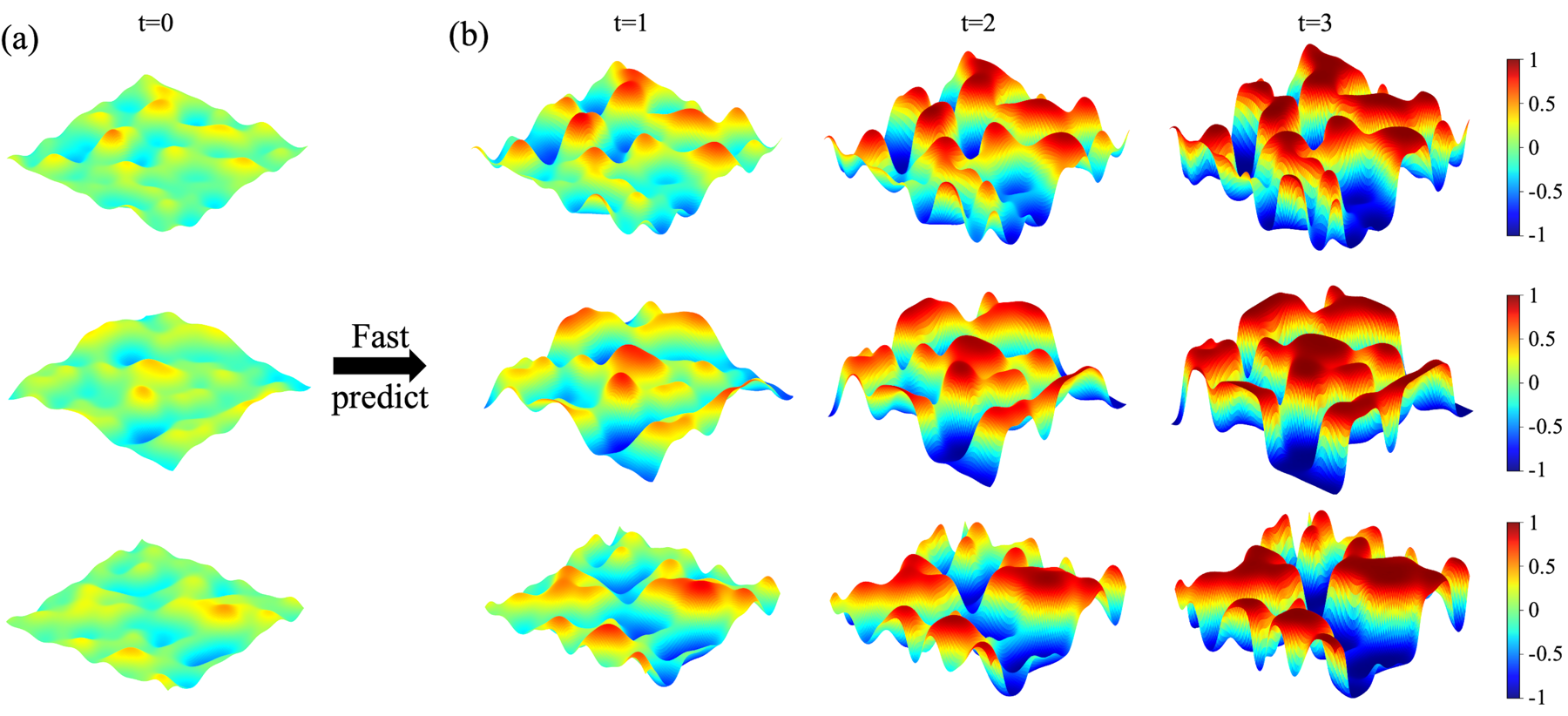
Surface height and color both represent the phase-field variable.