Simulation, AI and experiments.
We simulate defect motion, predict physical fields with AI, and use acoustic measurements and microscopy to compare materials after processing.
High-performance physics computing
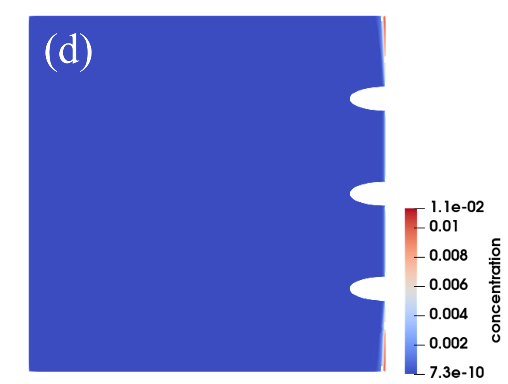
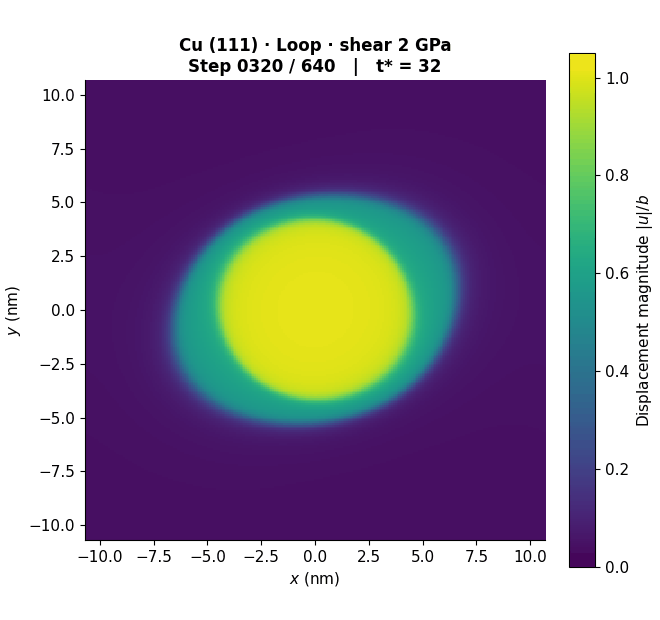
We use parallel GPU computing to simulate dislocation motion, void evolution and grain restructuring.
108×Peak FFT kernel speedup
Physics AI
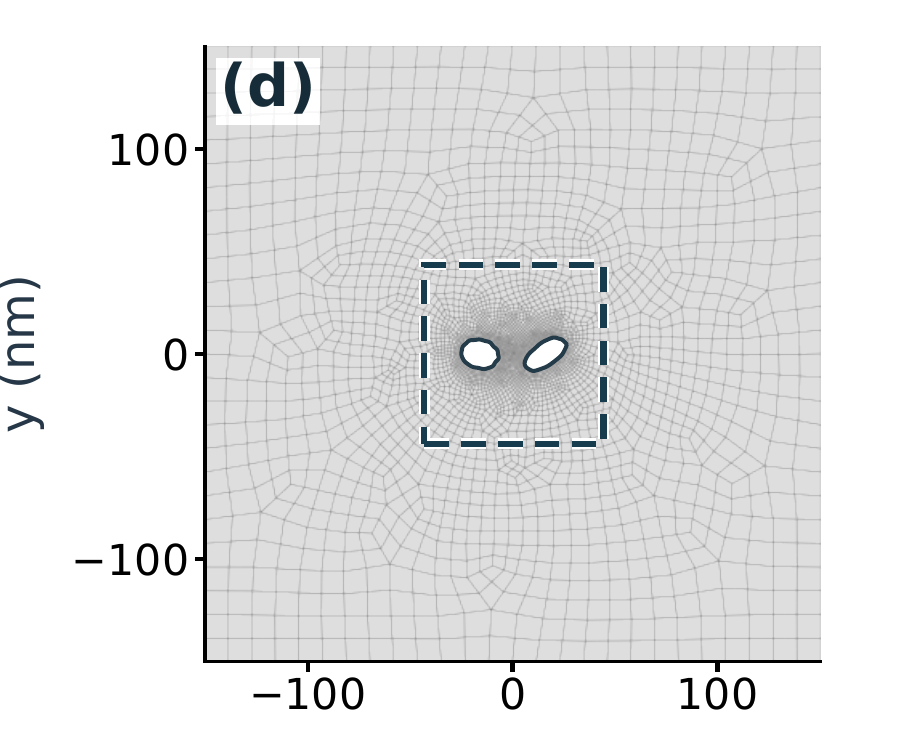
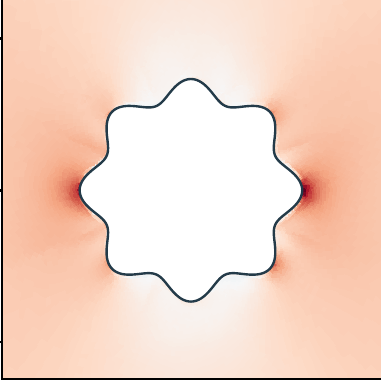
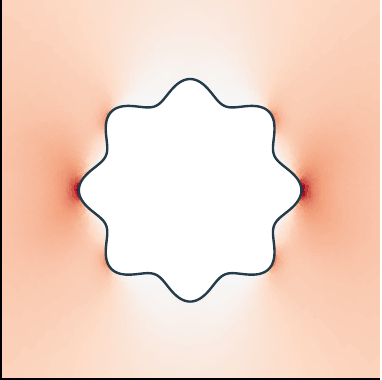
We predict fields on complex geometries. For selected problems, those predictions give numerical solvers a head start.
Single two-cavity solve · versus FEM
248×PCG-stage speedup
95%Fewer PCG iterations
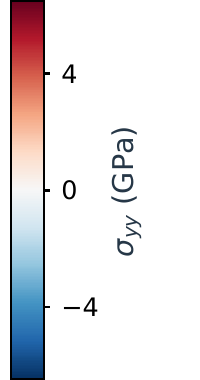
Single-cavity local-stress example · σyy / GPa
Nondestructive characterization and experiments
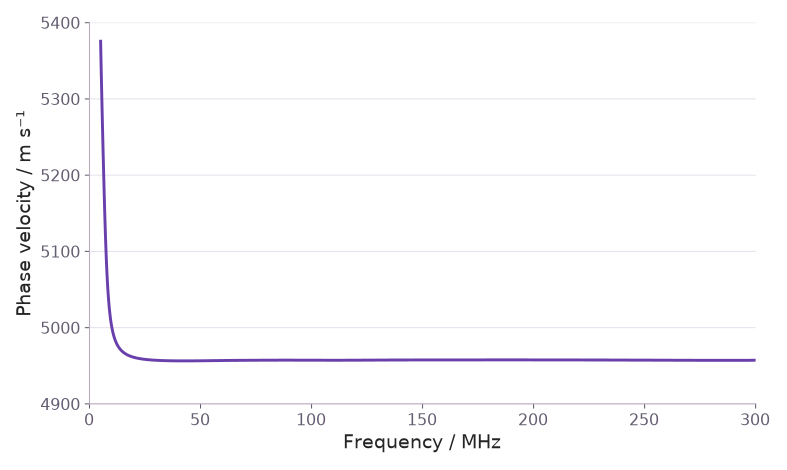
Surface waves probe effective elasticity. Independent microscopy measures porosity, giving a second basis for comparing processing conditions.
<5minTypical single acoustic measurement
±0.37GPaMeasured modulus scatter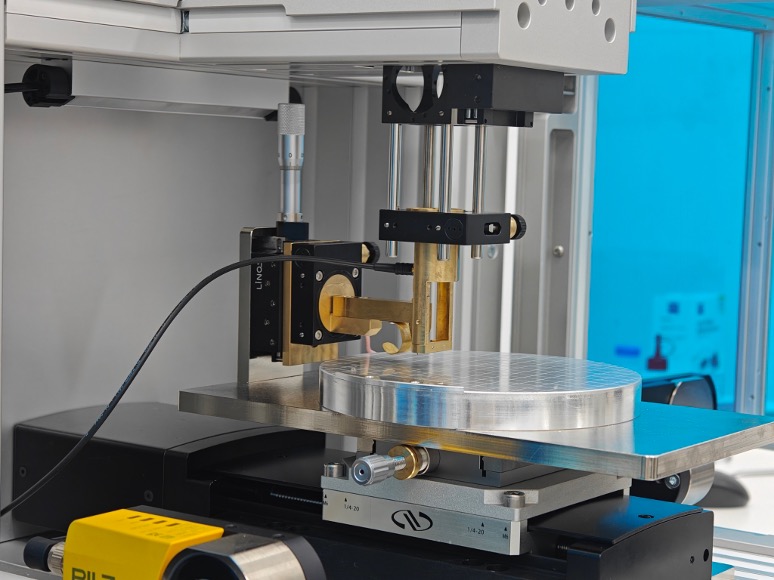
Materials data
Each dataset links the material geometry and test conditions to a measured or simulated response for model training and validation.