Additive metals · Measurements
Processing and elasticity in printed metals
Compare elasticity before and after heat treatment in IN718 and hot isostatic pressing in 316L. Microscopy tracks the change in porosity in 316L.
How does processing affect stiffness? How do pores evolve? How do components deform under load?
Acoustic measurements and microscopy reveal changes in elasticity and microstructure, providing experimental evidence to compare material states across processing conditions.
Additive metals · Measurements
Compare elasticity before and after heat treatment in IN718 and hot isostatic pressing in 316L. Microscopy tracks the change in porosity in 316L.
Coatings & layers · Measurement and fitting
Fit a layered model to measured dispersion curves to estimate film thickness and modulus for Cu/Si and SiO₂/Si.
Physics-based models track the evolution of voids and interfaces, revealing how loading, transport and defect interactions influence local fields and material response.
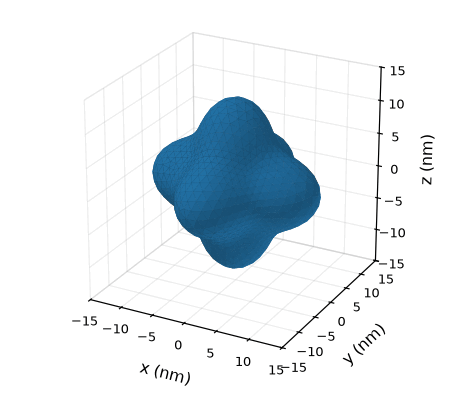
Porous materials · Numerical study
Track changes in the void wall and the stress field around it.
Battery interfaces · Numerical study
Compare the evolving void wall at two pressures to see how transport and creep interact in the interface model.
298 K · 0.1 mA/cm²
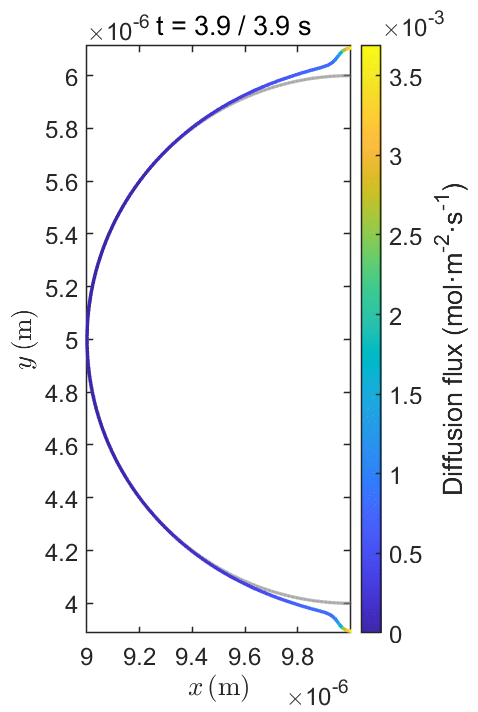
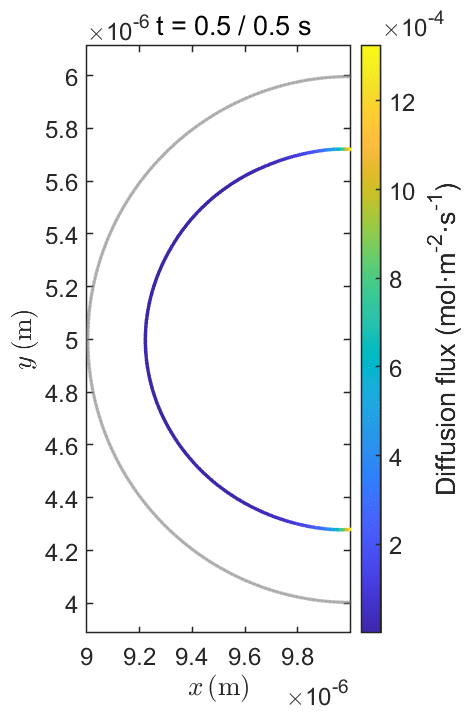
The two animations cover different time ranges and use separate flux scales.
Predict fields across geometries and loads, check accuracy against reference solutions, and refine predictions when needed.
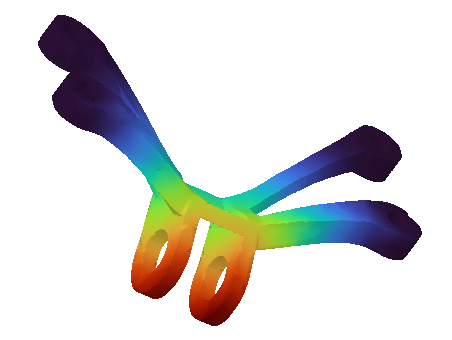
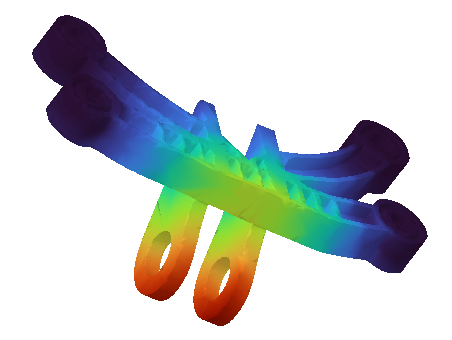
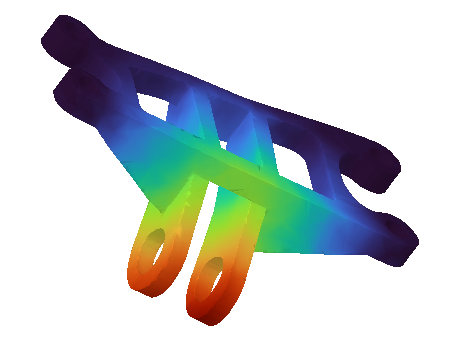
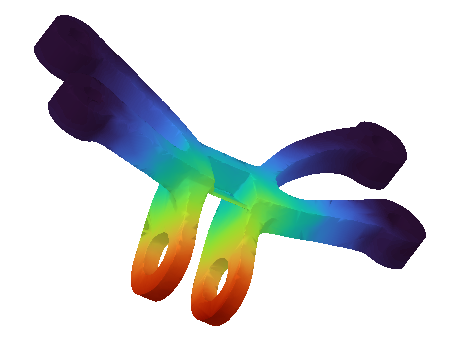
Bracket elasticity · Model benchmark
Compare reference and predicted displacement across geometries and loads.
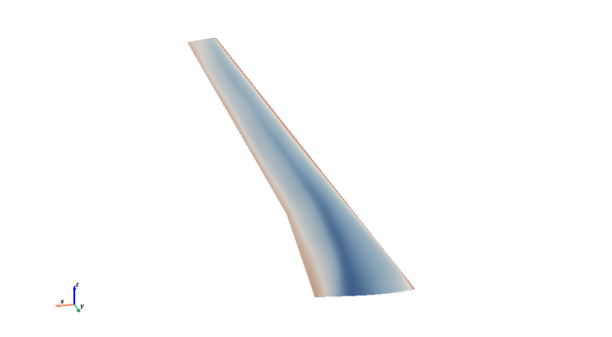
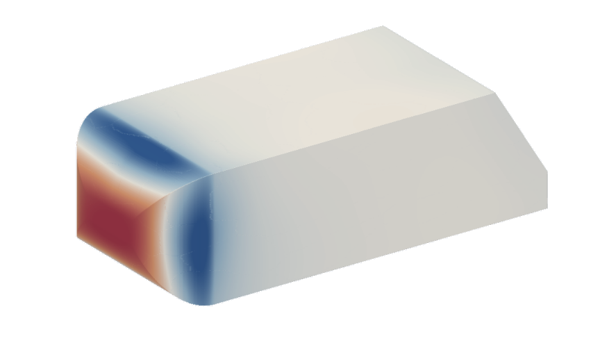
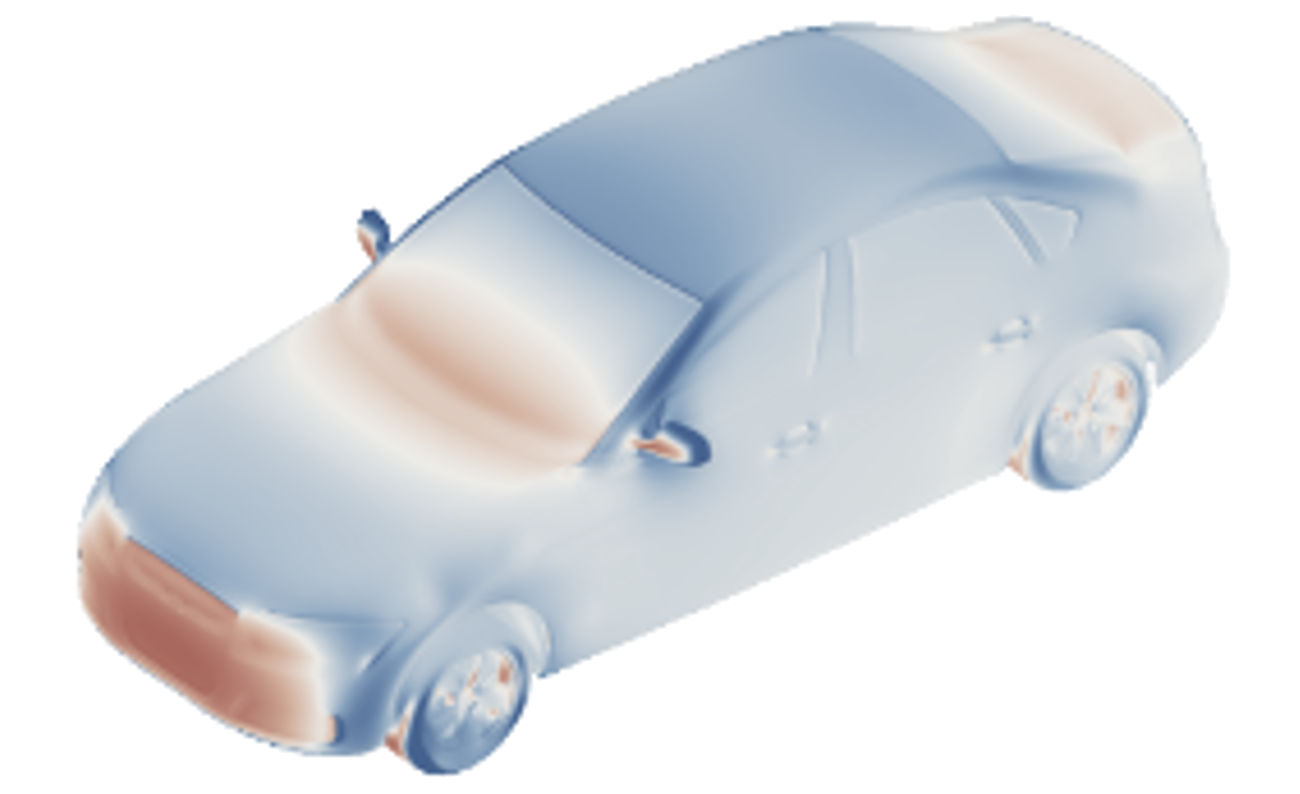
Vehicles & wings · Model benchmark
The Ahmed body calculation reaches 27.48 million volume mesh points. Wing and vehicle examples show how predicted pressure varies across complex surfaces.