
 ≈140
 27.48M
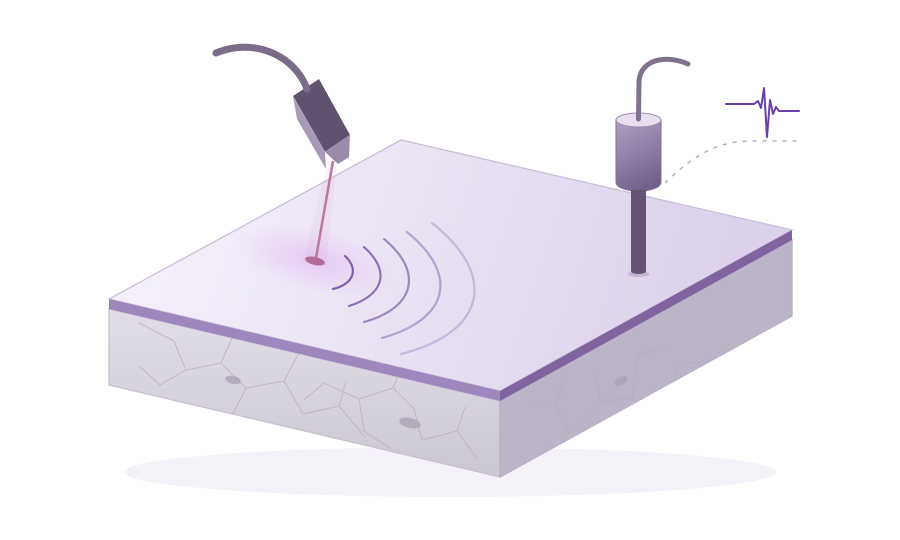
Nondestructive · Surface-sensitive
Use acoustic response to distinguish material states.
MULTI-AI Lab
We use simulation, AI and experiments to understand how defects shape material behavior and what that means for design.
 Understand
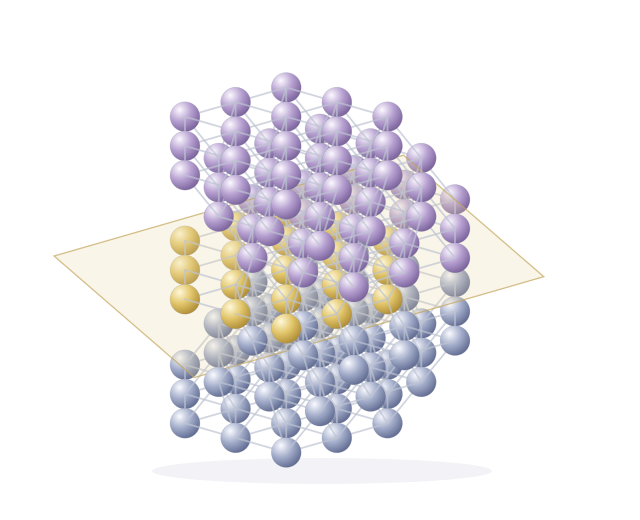
We follow changes inside materials, from slip between atomic layers to deformation within grains.
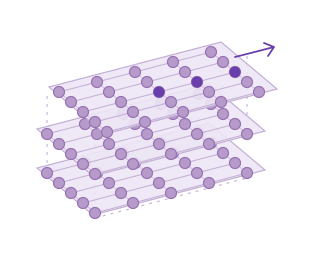
Describe neighboring atomic-layer interactions through coupled slip energies.
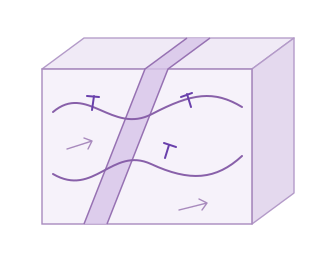
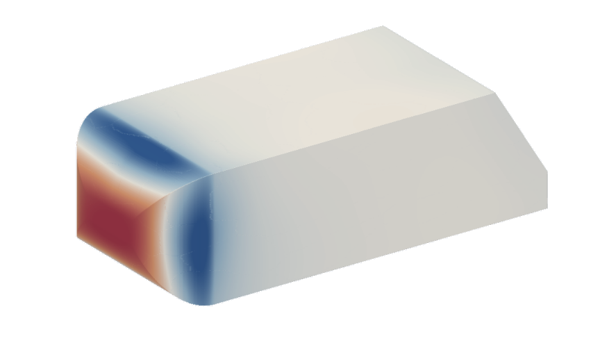
Compare twin-band growth and 3D dislocation pile-ups to understand collective defect motion.
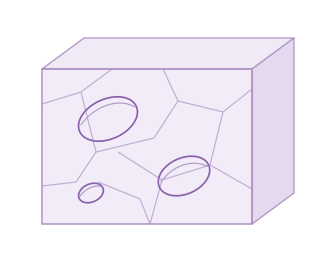
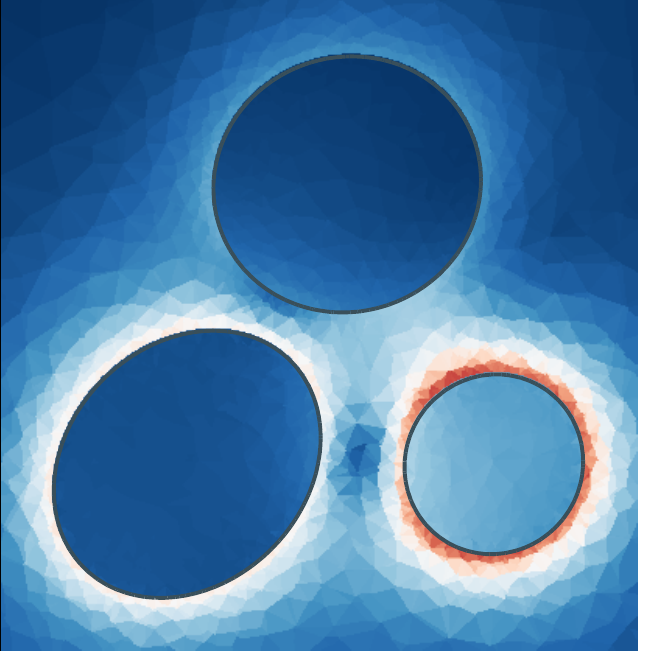
Study how diffusion and mechanics reshape cavity walls and surrounding fields.
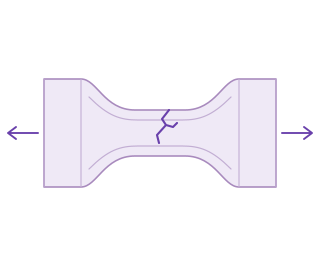
Connect microstructure evolution with mechanical response to understand the role of internal state.
 Predict
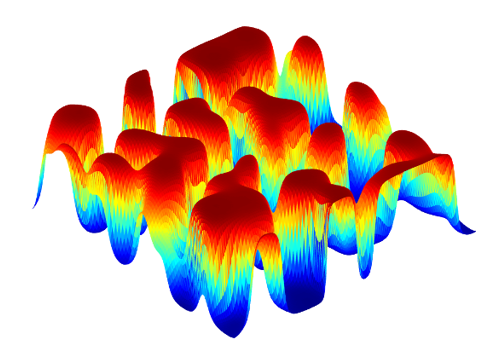
 fields across geometries and refine them with a numerical solver where needed.
 Design support
Combine acoustic measurements with microscopy to compare material states and inform process and material choices.
Nondestructive · Surface-sensitive
In 316L, porosity fell and effective modulus rose after HIP.
| Measurement | As printed | After HIP |
|---|---|---|
| Effective modulusLAwave · GPa | 176.39± 2.79 | 191.90± 0.49 |
| PorositySEM · % | 0.89 | 0.49 |
Understand how defects affect a material, predict its response and check the prediction against measurements.
We’d love to hear about a materials question or an idea for working together.
Contact us