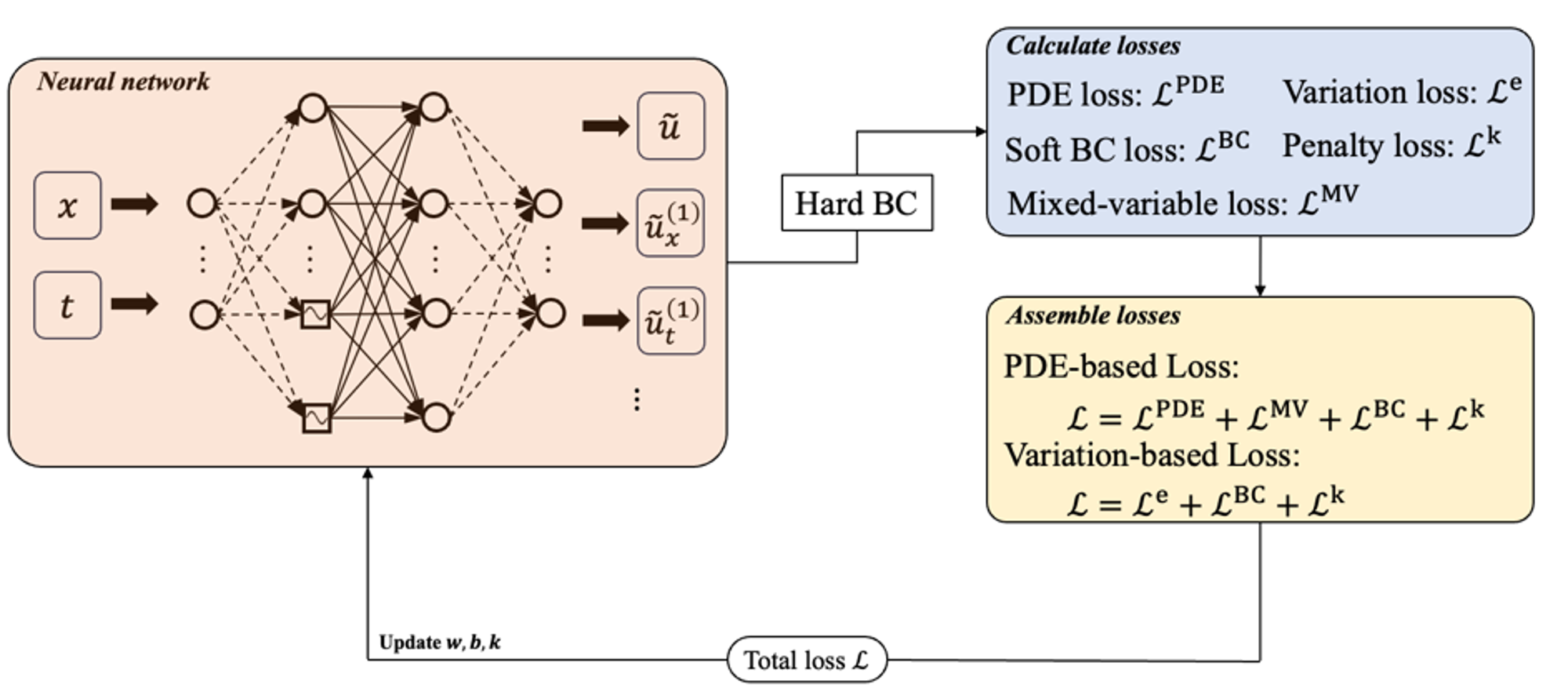
Solving for displacement and stress in heterogeneous materials
Under the same applied load, grain orientation and interface defects can alter how a material carries force. For a given geometry, PDNN and GPDNN use physical constraints to solve for local stresses and deformation.
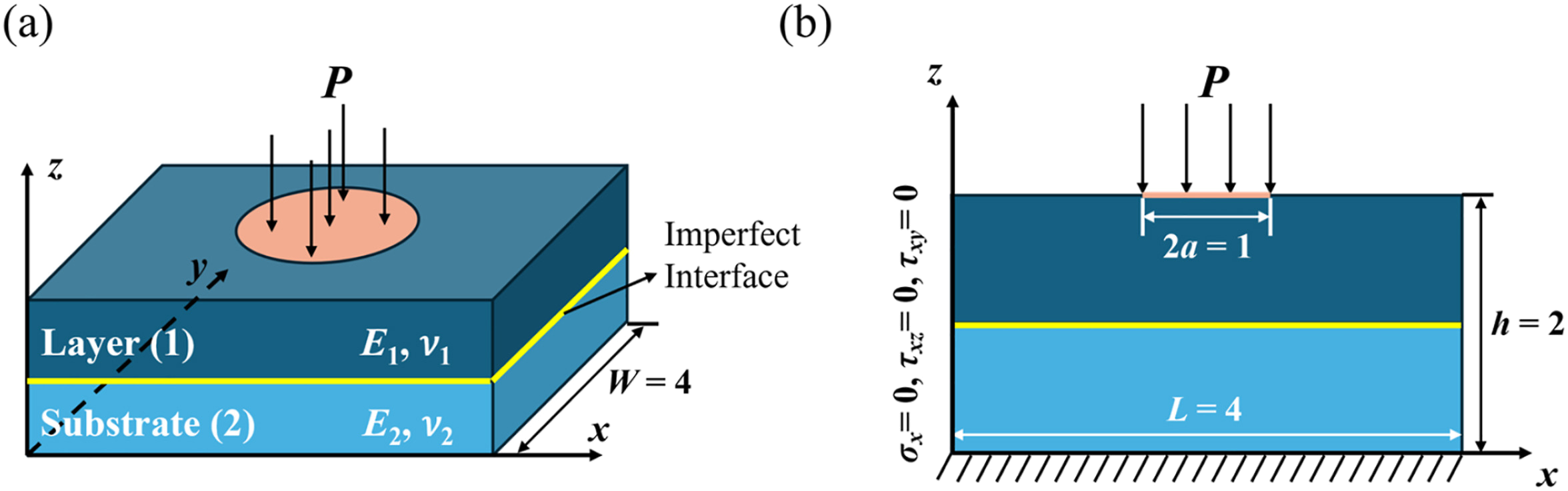 Layered structure and interface problem
Layered materials and interface load transfer
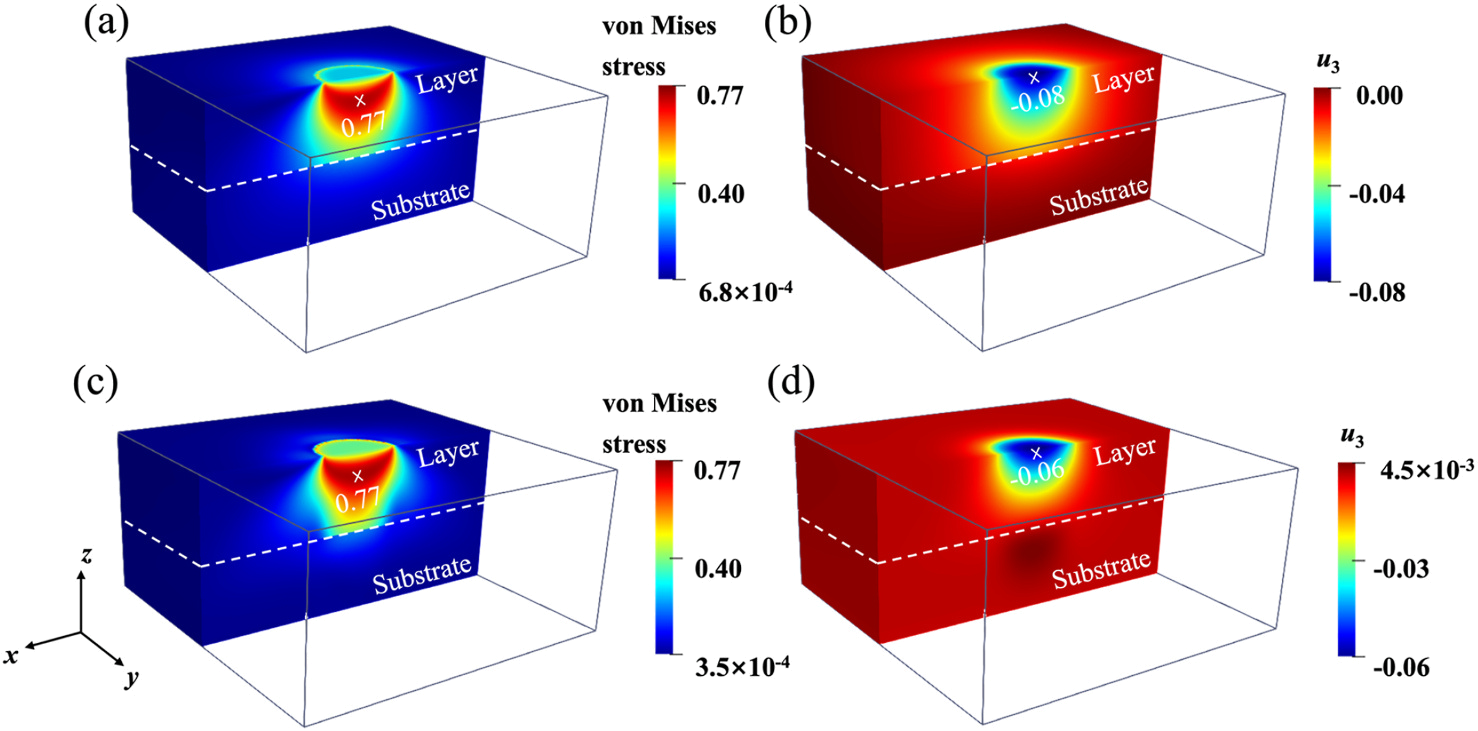
Local variations in bonding change how layers transfer load. Given the geometry, defect extent and boundary conditions, the neural field resolves displacement and stress near the defect.
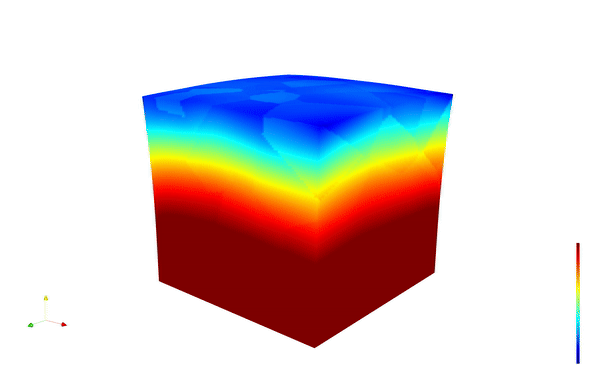
Grain orientation and local response
Grains with different orientations deform differently under the same load. Constraints at their shared boundaries redistribute stress.
For repeated queries within a problem family, explore reusable models such as PDCO and MPTT.
Neural-field solving for a specified problem
For a specified material structure, optimize a neural-field representation using energy or governing equations and boundary constraints to obtain displacement and stress. A changed problem requires renewed optimization, distinguishing per-problem solving from reuse of a trained surrogate.